
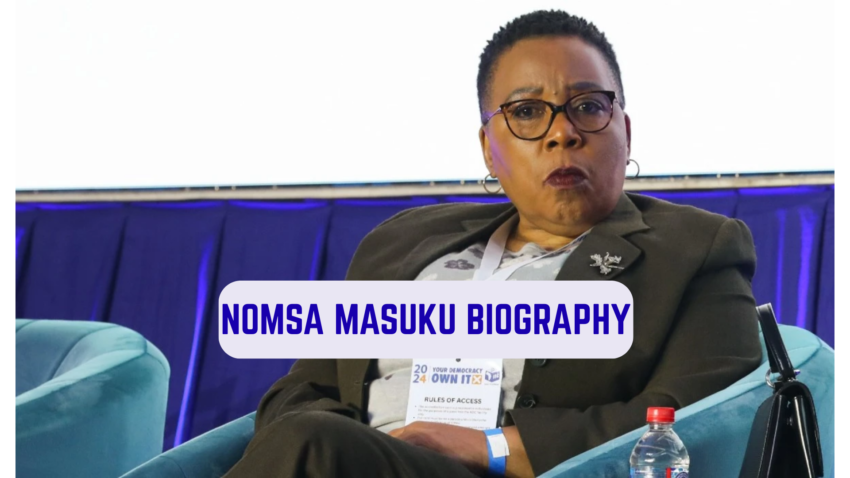
Dr. Nomsa Praisy Masuku is a South African academic, election expert, and long-serving public official best known for her role as a Commissioner at the Electoral Commission of South Africa (IEC).
With a distinguished career in civic education, electoral management, and corporate social investment, her name has featured prominently in national media — both for her professional work and an ongoing high-profile legal case.
Profile Data
| Full Name | Dr. Nomsa Praisy Masuku |
| Stage Name | Nomsa Masuku |
| Nationality | South African |
| Occupation | Academic, Public Official, Electoral Commissioner |
| Education | PhD in Applied English Linguistics (University of Birmingham, UK) |
| Known For | Commissioner at the Electoral Commission of South Africa (IEC) |
Early Life
Dr. Nomsa Masuku was born in South Africa and built her career around education, civic engagement, and public service. While detailed information about her childhood and early life is not widely published in public domain sources, her professional achievements reflect a strong academic and leadership foundation.
Her early focus on education, language, and civic development laid the groundwork for a later career in election management and civil society.
Education
Dr. Masuku has an impressive academic background:
- She earned a PhD in Applied English Linguistics from the University of Birmingham, UK.
Her academic expertise contributed to South Africa’s national curriculum discussions and strengthened her credentials in communication, education, and public policy.
Career Path and Professional Milestones
Electoral Commission of South Africa (IEC)
Dr. Masuku’s most prominent professional role has been as a commissioner at the Electoral Commission of South Africa (IEC), an independent public body responsible for managing elections and promoting democratic participation. She joined the commission in 1998 and later — after a period away — was appointed as a commissioner in 2018.
Throughout her career at the IEC, she helped develop strategies for civic and voter education, with a strong focus on building democratic participation through structured outreach and education frameworks.
Standard Bank and Corporate Social Investment
Dr. Masuku also had a significant role in the private sector:
- She worked for Standard Bank in the Corporate Social Investment (CSI) division.
- There, she helped manage and implement community development initiatives focused on education and empowerment.
She was instrumental in the creation and management of the Adopt A School Scholarship Trust, designed to provide bursaries and scholarships to deserving students from underprivileged backgrounds.
Alleged Fraud Case and Legal Controversy
One of the most widely reported parts of Dr. Masuku’s public profile is her ongoing legal case:
Allegations
In June 2024, Dr. Nomsa Masuku was arrested by the Hawks’ Serious Commercial Crime Investigation unit in South Africa. She faced charges including:
- Theft
- Fraud
- Money laundering
These charges relate to allegations that funds meant for scholarships and bursaries through the Adopt A School Trust were misused, and that payments totaling around R1.2 million were allegedly diverted improperly, including payouts to unqualified relatives.
Court Appearances
Following her arrest, Masuku appeared in the Johannesburg Specialised Commercial Crimes Court, granted bail of R20,000, and was scheduled to return to court for further proceedings.
Ongoing Investigation
Authorities continued to investigate whether others may have played roles in the alleged misconduct. Representatives from the National Prosecuting Authority (NPA) and Hawks indicated that further arrests were possible as the inquiry developed.
Public Perception & Media Coverage
Dr. Masuku’s case has drawn significant media attention, especially in South African national press. While public officials often face scrutiny, the legal process remains ongoing and she is legally presumed innocent unless proven guilty in a court of law.
During this period, rumors and social media speculation led to unrelated public figures (e.g., DJ Melzi) being incorrectly linked to her family — all of which were publicly denied.
Personal Life
Dr. Nomsa Masuku maintains a relatively private personal life for someone in the public eye. Media reports confirm her professional roles and legal status, but she keeps details such as family life, relationships, and personal hobbies out of widespread public discussion.
Rumors about family relationships — such as false claims connecting her to entertainers — have been explicitly denied by those parties.
Impact and Legacy
Despite controversy, Dr. Masuku’s professional influence spans:
- Election management
- Democratic education
- Community development
- Curriculum and language policy
Her work within the IEC and in community investment programs reflects a long career in public service and education.
FAQs
1. Who is Nomsa Masuku?
Dr. Nomsa Masuku is a South African academic and public official, best known for her role as an Electoral Commissioner with the Electoral Commission of South Africa.
2. What charges is she facing?
She was arrested in June 2024 on allegations of theft, fraud, and money-laundering related to a scholarship trust.
3. Has she been convicted?
As of the latest reports, she is out on bail and the legal process is ongoing — no guilty verdict has been reported.
4. What was her role at Standard Bank?
She worked in the Corporate Social Investment division and helped manage the Adopt A School Scholarship Trust.
5. Does she have a PhD?
Yes. Dr. Nomsa Masuku earned a PhD in Applied English Linguistics from the University of Birmingham.
Conclusion
Dr. Nomsa Masuku is a complex and influential figure in South Africa’s public sector — combining academic achievement, civic leadership, and community engagement. While her career has been distinguished by electoral education and corporate social investment, her recent legal challenges have thrust her into the national spotlight.
The outcome of legal proceedings will shape how her legacy is ultimately viewed — but her long public service history remains an important part of South African governance and civic discourse.